SW11 Flat Carpet Cleaning Tips for Queenstown Road Renters
If you rent a flat near Queenstown Road, you probably know the feeling: one muddy footprint on the hallway carpet, one coffee spill by the sofa, and suddenly the whole room looks older than it is. The good news is that SW11 flat carpet cleaning tips for Queenstown Road renters do not need to be complicated. With a few sensible habits, the right cleaning approach, and a bit of timing, you can keep carpets fresher for longer without turning your weekend into a full-scale chore marathon.
This guide is written for real London renters, not perfectionists with endless storage space and a utility room the size of a studio. It covers what matters, what actually works in a flat, where people go wrong, and when it makes sense to bring in professional help. If you are juggling a deposit deadline, a busy commute, or just trying to make the place feel less tired, you are in the right place.
Why SW11 flat carpet cleaning tips for Queenstown Road renters Matters
In a flat, carpets do a lot of invisible heavy lifting. They soften footsteps, reduce echo, and make compact rooms feel more comfortable. But they also collect the everyday stuff that London life throws at them: grit from the pavement, damp from umbrellas, pet hair, takeaway crumbs, and the occasional mystery stain no one wants to claim responsibility for. Near Queenstown Road, with busy foot traffic and the usual in-and-out rhythm of renters, carpets can pick up dirt faster than people expect.
For renters, this matters for three reasons. First, it helps you keep the flat pleasant to live in. Second, it reduces the risk of long-term wear that becomes harder to remove later. Third, it can be a major help at the end of a tenancy, when carpets are often inspected more closely than you think. That last part is worth saying plainly: a carpet that looks dull, patchy, or stained can become a discussion point, even if the rest of the flat is in good shape.
There is also the hygiene side. Carpets can hold onto dust and odours even when they look clean at a glance. If you have allergies, share the flat with other tenants, or regularly work from home, the difference between a lightly maintained carpet and a properly cared-for one is noticeable. A room can smell cleaner before it even looks cleaner. Funny how that works, really.
Expert summary: the smartest approach for renters is not aggressive cleaning. It is consistent, low-risk care, quick stain response, and occasional deeper cleaning when the carpet genuinely needs it. That balance protects both the carpet and your time.
How SW11 flat carpet cleaning tips for Queenstown Road renters Works
Good carpet cleaning in a rented flat is less about one heroic deep clean and more about a sequence of sensible decisions. You identify the carpet type, remove loose dirt first, treat spots carefully, use the least risky cleaning method that can do the job, and make sure the carpet dries properly afterwards. In a flat, that drying step matters more than most people realise. Limited airflow, small rooms, and closed windows can make a damp carpet smell musty fast.
The basic process usually looks like this:
- Vacuum thoroughly to lift dry soil and grit.
- Spot test any cleaning solution in a hidden area.
- Treat stains from the outside in, so they do not spread.
- Use controlled moisture rather than soaking the fibres.
- Rinse or blot away residue if needed.
- Speed up drying with ventilation and airflow.
That sounds simple, and mostly it is. The tricky part is knowing when a stain is just surface dirt and when it has already set into the backing or padding. Coffee, wine, makeup, food oils, and pet accidents behave differently. A fresh spill often responds to blotting and mild cleaning. An older mark may need a more structured stain-removal approach, or even professional attention if it has spread beneath the pile.
If you are dealing with a stubborn patch or an older carpet that has seen a few tenants come and go, it may be worth looking at the broader carpet cleaning service options available locally. For carpets that need a more intensive wash, steam carpet cleaning is often the method people consider first, because it can reach deep into the fibres when used correctly.
Key Benefits and Practical Advantages
Keeping carpets clean in a Queenstown Road rental is not just about appearance. A tidy carpet changes how the whole flat feels. It can make a small living room look brighter, a hallway seem less cramped, and a bedroom feel less lived-in in the wrong way. That matters if you are trying to enjoy the space, impress a landlord, or prepare for a move-out inspection.
- Better first impression: Clean carpets help the whole flat feel cared for, even if the kitchen is tiny and the hallway is awkwardly shaped.
- Less chance of permanent staining: Quick treatment prevents spills from turning into long-term marks.
- Reduced odours: Carpets trap smells from cooking, pets, and daily living; regular cleaning keeps them fresher.
- Longer carpet life: Dirt acts like sandpaper underfoot, wearing fibres down over time.
- More predictable end-of-tenancy results: A carpet that has been maintained is easier to restore before checkout.
There is also a quiet practical benefit: if you keep up with small tasks, you are less likely to face a huge cleaning bill or panic at the last minute. That is the sort of stress nobody needs at 7 p.m. on a Thursday, with boxes half-packed and the kettle on the blink.
For renters who want the flat cleaned more broadly, services such as deep cleaning or end of tenancy cleaning can make sense alongside carpet care, especially if you are trying to present the property in its best possible condition.
Who This Is For and When It Makes Sense
This guide is especially useful if you are:
- a renter living near Queenstown Road in a flat with carpeted bedrooms, hallways, or living areas;
- preparing for a checkout inspection and want to avoid avoidable issues;
- moving into a new place and want to start with a cleaner base;
- living with children, pets, housemates, or frequent visitors;
- dealing with regular surface dirt, foot traffic lines, or recurring spots;
- trying to clean carefully without damaging the carpet or annoying the neighbour below you.
It also makes sense if your flat is part of a larger building where access, ventilation, and drying time are not always straightforward. Flats can be tricky. One person is trying to clean the carpet, another is cooking, someone else is on a video call, and the window only opens half way. Not ideal, but manageable.
If you are moving, the timing matters. A carpet clean before moving furniture back in is usually easier than trying to work around boxes and shoe piles. For anyone between tenancies, a combined plan involving move-out cleaning or move-in cleaning can save time and reduce overlap.
Step-by-Step Guidance
Here is the practical version. No drama, just a clean process that works in most rented flats.
1. Start with a proper vacuum
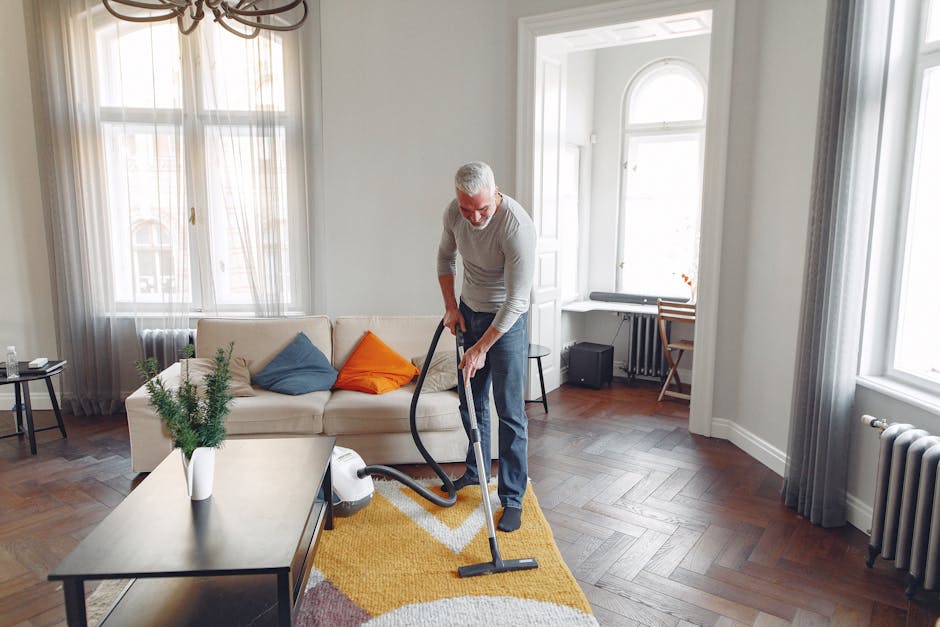
Vacuum slowly in overlapping passes. A quick once-over does not remove the fine grit that sinks into the pile. If your vacuum has a height adjustment, use it sensibly so it lifts dirt without scraping the fibres. Edge areas, beneath the radiator, and the strip near the front door usually need extra attention.
2. Identify the problem areas
Look for traffic lanes, spot stains, dull patches, and places where odour hangs around. Hallways and the area by the sofa often need more work than the rest of the room. That is normal. People walk there, sit there, drop things there. Life happens there.
3. Test before you treat
Any cleaner, even a mild one, should be tested in a hidden corner first. That is especially important if the carpet is wool, vintage, or already a bit delicate. A patch test takes a minute and can save you from colour loss or texture changes that are much harder to fix later.
4. Blot, do not rub
For spills, blot with a clean white cloth. Press gently and repeat with fresh sections of the cloth. Rubbing only pushes the stain deeper and can fuzz the fibres. It is one of those things people do in a rush, then regret five minutes later. We have all been there.
5. Use the lightest effective cleaning method
For many stains, a small amount of suitable solution and controlled moisture is enough. Avoid drenching the carpet. In flats especially, excess water can seep into underlay and create lingering damp. If the mark is oily or odorous, a targeted product or specialist service may be more sensible than a general cleaner.
6. Dry thoroughly
Open windows if weather and security allow, turn on fans, and keep foot traffic to a minimum until the carpet is dry. Drying is not a side note. It is part of the cleaning. A carpet that stays damp too long can smell worse than before, which is not the result anyone was aiming for.
7. Recheck once dry
Sometimes stains fade as they dry; sometimes they reappear because residue wicks back to the surface. Check the area the next day. If needed, repeat a gentle treatment rather than escalating too quickly.
Expert Tips for Better Results
If you want cleaner carpets without making life difficult for yourself, a few small habits help more than any flashy product ever will.
- Vacuum twice a week in busy areas. Hallways and living rooms collect dirt faster than bedrooms.
- Use door mats indoors and out. It sounds obvious, but it really does cut down grit.
- Deal with spills immediately. Even ten minutes can make a difference with tea, coffee, and wine.
- Keep shoes off carpeted areas where possible. London pavements bring in more dirt than you think.
- Move light furniture occasionally. Vacuum underneath before dust lines become obvious.
- Work from the outside of a stain inward. That stops the mark spreading into a bigger circle.
- Use minimal water near skirting boards. This helps avoid edge swelling or damp smells.
A small, practical tip from real-world experience: if a stain is not improving after the second careful attempt, stop there. Pushing on with stronger products can make the problem harder to fix. It is better to pause, assess, and decide whether a stain removal specialist approach is needed.
If the stain is from a pet, lingering odour can be just as important as the visible mark. In that case, pet stain odour removal may be a better fit than basic cleaning alone.
Common Mistakes to Avoid
This is where renters often lose time, damage fibres, or make a minor mess turn into a major one.
- Using too much water: Oversaturation is the classic flat-cleaning mistake. It slows drying and can leave marks behind.
- Scrubbing aggressively: This roughs up the pile and can distort the carpet surface.
- Skipping the vacuum: Cleaning over loose grit just pushes dirt around.
- Using random household products without testing: Some leave sticky residue or alter colour.
- Forgetting ventilation: A dry-looking carpet can still be damp deeper down.
- Leaving stains too long: The longer they sit, the more likely they are to bond with the fibres.
Another common issue is trying to solve every problem in one pass. You do not need to win the carpet in a single round. Better to work carefully, let it dry, and reassess. That slower approach is usually the smarter one.
Tools, Resources and Recommendations
You do not need a shed full of gear. In a flat, a compact and sensible kit is usually enough.
| Tool or item | Best use | Why it helps in a flat |
|---|---|---|
| Vacuum with good suction | Routine cleaning and grit removal | Quick to store and essential for keeping carpets from looking tired |
| White microfibre cloths | Blotting spills and lifting residue | Easy to wash and less likely to transfer colour |
| Soft brush | Loosening surface debris | Gentle on fibres, useful for small areas |
| Spot-cleaning solution | Targeted stain treatment | More controlled than using a general cleaner on everything |
| Fan or good airflow | Drying | Helps prevent lingering moisture in smaller rooms |
If you are deciding whether to clean yourself or book a professional, think about the carpet's condition, the size of the flat, and how much time you really have. A simple maintenance clean is often manageable. A deeply marked carpet, on the other hand, may be better handled by a team that knows how to work around delicate fibres and awkward room layouts.
For example, many renters combine carpet care with domestic cleaning or book a one-off refresh through one-off cleaning when they want the whole flat to feel reset. If the sofa, curtains, or mattress have picked up odours too, it may be smarter to deal with those at the same time using sofa cleaning, curtain cleaning, or mattress cleaning.
Law, Compliance, Standards, or Best Practice
For renters, the biggest compliance issue is usually not a technical one. It is expectations around the condition of the property at the end of the tenancy. Tenancy agreements can differ, so the safest approach is to read your contract carefully and keep the carpet in a condition that reflects normal wear and tear rather than neglect. That distinction matters.
As a general UK best practice, it is sensible to document the state of the carpet when you move in and move out. Photos, dates, and a short note about existing marks can help avoid disputes later. Nothing dramatic, just straightforward records. It is one of those boring admin habits that saves headaches.
Cleaning methods should also respect safety and material care. If you rent a flat with shared access, you should avoid leaving wet floors or trailing equipment in communal areas where other residents may pass. Good practice means working cleanly, keeping pathways clear, and letting neighbours get on with their day. If the building has specific access or safety arrangements, follow them.
For professionally cleaned carpets, service standards usually focus on careful treatment, appropriate methods for the fibre type, and reasonable drying guidance. A responsible provider should also be able to explain what they are doing and why. If you are comparing services, look at trust signals such as insurance and safety information, the company's health and safety policy, and clear pricing and quotes. Those pages do not clean the carpet for you, obviously, but they do help you judge whether the service is properly run.
It can also be worth checking how a company handles payments and privacy if you plan to book online. Simple things, but important. A trustworthy provider should be open about payment and security and how it handles your details under its privacy policy.
Options, Methods, or Comparison Table
Different carpet cleaning approaches suit different flat situations. Here is a straightforward comparison.
| Method | Best for | Pros | Watch-outs |
|---|---|---|---|
| Routine vacuuming | Weekly upkeep and dust control | Fast, cheap, low risk | Won't remove set stains or deep odours |
| Spot cleaning | Fresh spills and isolated marks | Targets the problem without wetting the whole room | Can spread stains if done too aggressively |
| Steam carpet cleaning | Deeper refresh and heavier soiling | Reaches further into the fibres | Needs careful drying, especially in flats |
| Professional stain removal | Persistent or high-risk stains | More controlled treatment and better judgement | Not every stain can be fully reversed |
| Full deep clean | End-of-tenancy or long-neglected carpets | Best overall reset for tired carpets | Takes planning and proper drying time |
For most Queenstown Road renters, the sweet spot is routine vacuuming plus targeted spot work, then a deeper service when the carpet genuinely needs it. Not every carpet needs the same level of intervention. That is where a bit of judgement saves time and money.
Case Study or Real-World Example
Here is a realistic example. A couple in a SW11 flat near Queenstown Road had a light beige carpet in the lounge and hallway. Over time, the hallway had developed a grey track from shoes, while the lounge had a coffee mark near the armchair and a faint odour from an old pet accident. Nothing catastrophic, but enough to make the flat feel worn.
They started with a deep vacuum, then treated the coffee spot carefully and dealt with the odour separately rather than flooding the area with cleaner. The hallway needed more patience; there was no quick fix, just repeated light passes and a proper dry-down. They also moved the rug and sofa slightly to clean the edges where dust had settled. Small job, but the room looked brighter straight away.
A few days later, they brought in professional help for the parts that were still showing traffic wear. The difference was not just visual. The room smelled fresher in the mornings, and the carpet felt softer underfoot. Their main takeaway was simple: the earlier you start, the less dramatic the fix needs to be.
That is usually how it goes. Small maintenance steps prevent big rescue jobs. Bit by bit, and then suddenly the room looks right again.
Practical Checklist
Use this before you clean, during the process, and again before you call the job done.
- Vacuum slowly and cover all edges, corners, and traffic lanes.
- Check the carpet type if you know it, especially if it may be wool or delicate.
- Test any cleaner on a hidden patch first.
- Blot spills instead of rubbing them.
- Use the smallest amount of moisture that still does the job.
- Let the carpet dry fully before replacing furniture or walking heavily on it.
- Re-check the stain once dry to see if it has returned.
- Keep a record of existing marks before the tenancy ends.
- Consider professional help for large areas, set-in odours, or older stains.
- If you are moving out, coordinate carpet cleaning with the rest of the flat so the result feels consistent.
Quick takeaway: the best renter-friendly carpet care is careful, regular, and boring in the best possible way. No drama. Just steady results.
And if you want the whole flat to look properly reset rather than just "less messy", it can help to combine carpet care with wider services like regular cleaning or house cleaning. For bigger refreshes, some renters also look at move-out cleaning to keep the handover process simple.
Conclusion
Queenstown Road renters do not need an overcomplicated carpet strategy. They need a practical one. Vacuum often, treat spills quickly, keep moisture under control, and know when a deeper clean is worth it. If you do those things consistently, your carpets will look better, smell fresher, and stand a much better chance of surviving the full tenancy without becoming a source of stress.
The real win here is not just a cleaner floor. It is the peace of mind that comes from knowing you have stayed ahead of the problem. That is especially useful in a flat, where every room earns its keep and small details matter more than people admit.
Get a free quote today and see how much you can save.
If you are planning your next clean, take the time to compare the practical details, ask sensible questions, and choose a method that suits the carpet rather than fighting it. A little care now can make moving day, inspection day, or even just a quiet Sunday morning feel a lot easier. And honestly, that is worth it.
Frequently Asked Questions
How often should Queenstown Road renters clean flat carpets?
For most rented flats, vacuuming once or twice a week is a good baseline, with spot cleaning as soon as spills happen. Heavier-traffic areas may need more frequent attention, especially if people come in with damp shoes or there are pets in the flat.
Can I clean my carpet myself before a tenancy inspection?
Yes, if the carpet only needs routine care or light stain treatment. Just be careful not to over-wet the fibres or use harsh products. If the carpet looks tired, smells stale, or has old marks, a professional clean may be the safer option.
What is the safest way to remove a fresh stain?
Blot it gently with a clean white cloth, work from the outside inward, and use minimal moisture. Do not rub. Rubbing spreads the stain and can rough up the pile. It is annoyingly easy to make it worse, so take it slow.
Is steam carpet cleaning suitable for flats?
Often, yes. It can be a strong option for deeper dirt and embedded debris. The main thing to manage in a flat is drying time, because limited airflow can leave carpets damp longer than expected.
Will carpet cleaning remove pet odours completely?
Sometimes, but not always. It depends on how deep the accident went and how long it has been there. Surface odours may clear well, while deeper contamination may need specialist treatment such as pet stain and odour removal.
Do landlords expect carpets to be professionally cleaned?
It depends on the tenancy agreement and the carpet's condition at the end of the tenancy. Some agreements mention professional cleaning, while others focus on leaving the property in a reasonably clean state. Always check your contract rather than guessing.
How can I stop carpets getting dirty so quickly in a flat?
Use door mats, remove shoes where practical, vacuum regularly, and deal with spills straight away. If your hallway gets a lot of grit from the street, give that area extra attention. Small habits make a big difference over time.
What should I avoid using on delicate carpet fibres?
Avoid strong bleach-based cleaners, aggressive scrubbing, and too much water. If the carpet is wool or you are unsure of the fibre type, test any product first and keep the treatment gentle.
How long does carpet drying usually take in a flat?
That depends on the method, the amount of moisture used, and ventilation. A lightly treated spot may dry fairly quickly, while a deeper clean can take longer. Open windows, fans, and good airflow all help. Sometimes a bit of patience is the best tool you have.
Can carpet cleaning help with end-of-tenancy disputes?
It can help by showing that you have maintained the property well and addressed visible dirt or staining. Keeping photos and notes from move-in and move-out also helps support your position if there is any discussion later.
Is it worth booking professional carpet cleaning for a small flat?
Often yes, especially if the carpet is in several rooms or has set-in marks. In a small flat, the visual difference can be immediate. It can also save time, reduce stress, and make the whole place feel more move-in ready or inspection ready.
Where can I get help if I want more than just carpet cleaning?
If the whole flat needs attention, it can make sense to pair carpet care with services such as one-off cleaning or deep cleaning. If you are leaving a property, end of tenancy cleaning may be the most efficient route.
How do I know when a carpet needs replacing rather than cleaning?
If the carpet is heavily worn, threadbare, badly water-damaged, or permanently discoloured across large areas, cleaning may only improve it so far. At that point, a landlord or property manager may need to assess whether replacement is more sensible. Not every carpet can be rescued, truth be told.